
Imagine picking a game off a shelf, plugging it into a console, and waiting 30 minutes for it to install. Now picture opening a browser, hitting “Play,” and having a high‑resolution title start instantly on any device. That’s the core promise of cloud gaming: a remote server does the heavy lifting, and your local machine is just a window into that stream.
How the Technology Works
At its heart, cloud gaming is a video‑streaming service. A powerful data center runs the game, encodes the video in real time, and sends it over the internet to your screen. The input you give—mouse clicks, controller presses—travels back to the server, where it’s processed and reflected in the next frame. The entire loop must happen in less than 20 ms to feel responsive, so providers invest heavily in low‑latency networking and edge servers.
One of the first commercial services to hit the market was Google Stadia, which launched in 2019 with a library of 200 titles. Since then, Microsoft’s xCloud, NVIDIA’s GeForce Now, and Amazon’s Luna have added hundreds more games, each with their own pricing model. The result is a library that can be accessed from a smartphone, a laptop, or a smart TV without any downloads.
What It Means for Players
Cost savings are a big draw. Instead of buying a new console or a high‑end PC, you pay a monthly subscription—typically $9.99 to $14.99—that grants you access to a rotating catalog. If you’re a casual gamer, that can be cheaper than owning a console that sits idle most of the time.
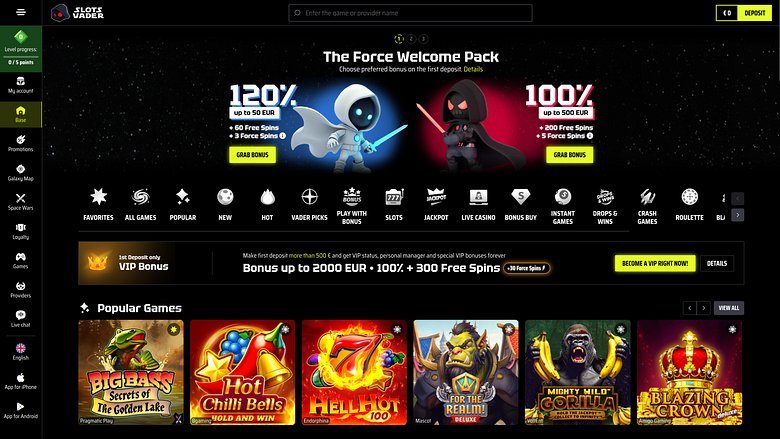
If you’re looking for instant thrills, you can also explore online slots—just visit website.
Portability is another advantage. A 2018 Samsung Galaxy S9 can stream Fortnite at 720p, 60 fps, with a 10 Mbps connection. The same game runs at 4K on a 55‑inch OLED TV in your living room, all without any additional hardware.
However, the model isn’t perfect. Users in rural areas with sub‑5 Mbps connections often experience buffering or a drop to 30 fps. Also, if a game’s server goes down, you lose playtime entirely—there’s no local copy to fall back on. For gamers who value ownership, this can feel like a step backward.
The Business Side of Streaming
Cloud providers are building their own ecosystems. NVIDIA, for example, offers a free tier that lets you play a handful of games for free, while the premium tier unlocks the full library. Microsoft bundles its cloud service with Xbox Game Pass, creating a single subscription that covers both physical and digital titles. The result is a shift from one‑time purchases to recurring revenue.
Licensing deals are also changing. Publishers now negotiate for “cloud exclusivity,” where a game is available only on a particular platform for a set period. This can mean that a title you love is suddenly unavailable on your preferred device, which can be frustrating.
From Gaming to Broader Entertainment
Cloud gaming’s reach extends beyond video games. Streaming services are experimenting with interactive experiences—think choose‑your‑own‑adventure movies that let viewers influence the plot in real time. These experiments hint at a future where the line between passive viewing and active participation blurs even further.
In this evolving landscape, the line between gaming and other forms of digital entertainment is becoming less distinct. The same infrastructure that powers cloud games can host live sports, virtual concerts, and educational simulations, all delivered through a single streaming protocol. As a result, the term “cloud” is now shorthand for any content that lives off‑site and reaches you over the internet.
Looking Ahead
5G rollout is expected to reduce latency to under 10 ms, making cloud gaming feel indistinguishable from locally hosted titles. Meanwhile, edge computing—placing servers closer to end users—will further shrink the distance between input and output. If these trends continue, the need for expensive hardware could disappear entirely.
Yet, the transition isn’t without friction. Some developers fear that cloud platforms will limit their ability to monetize games directly. Others worry about data privacy, as user inputs and gameplay data travel through third‑party servers.
Final Thoughts
Cloud gaming is not a silver bullet, but it is a significant shift. For those who value flexibility and low upfront costs, it offers a compelling alternative to traditional consoles. For others who cherish ownership and offline play, it may feel like a compromise. As the technology matures, the balance will shift, and the industry will need to address the gaps—latency, accessibility, and ownership—if it wants to become the new standard for interactive entertainment.
Frequently Asked Questions
How does cloud gaming work?
Games run on powerful remote servers; your device receives a video stream and sends back controller inputs, like a remote‑viewed console.
What devices can I use?
Any device with internet access and a compatible app or browser can play, from phones to smart TVs and laptops.
Do I need a fast internet connection?
Yes, low latency and high bandwidth (at least 15–25 Mbps) are essential for smooth gameplay and minimal lag.